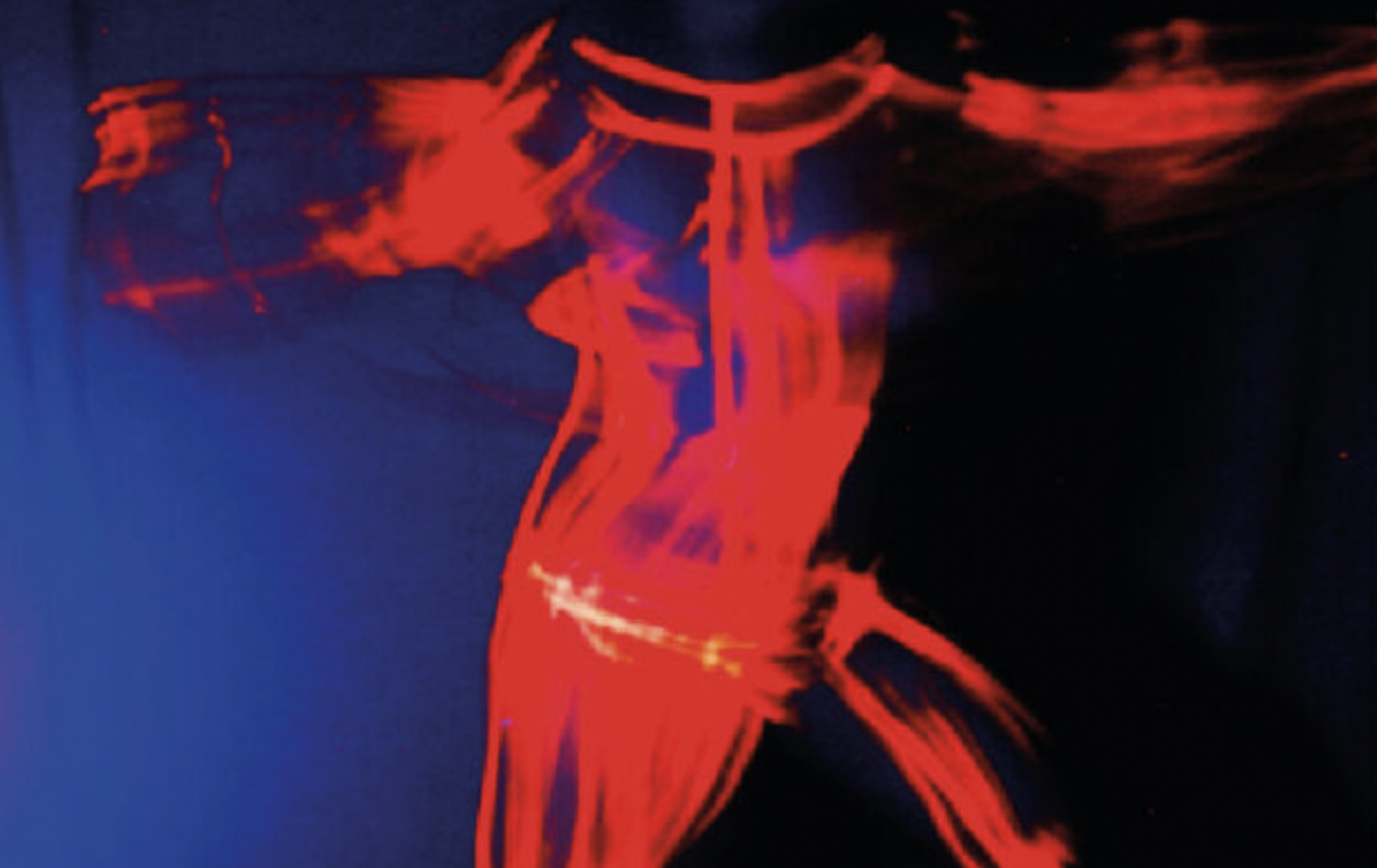
Bodies as Transducers (call)
Call 29 januari 2026Conference on 5 and 6 November 2026
Artistic research operates at the intersection of bodies, materials, and concepts. From this perspective, musical performance appears as an intense transductive process through which energy, information, and materialities undergo continuous transformation.
Artistic research operates at the intersection of bodies, materials, and concepts. From this perspective, musical performance appears as an intense transductive process through which energy, information, and materialities undergo continuous transformation. Musical objects emerge not so much as reproduction of fixed works, but as dynamic concatenations of infinite "musical particles"—micro-events of ongoing individuation where affective, material, and conceptual forces momentarily converge, only to dissolve and reconfigure elsewhere. For performers, each particle marks a threshold where muscular, sensory, and imaginative energies convert into sonic form; for composers, these particles constitute generative diagrams that invite further differentiation.
Drawing on Simondon's concept of transduction, Deleuze and Guattari's multiplicities, and Paulo de Assis's differential ontology of music and the notion of performative transductions, this conference examines how performance functions as a field of energetic reconfiguration where the body acts as the central transductive force and bodies, instruments, notations, and concepts mutually transform one another. We ask:
- How does the performing body, entangled with instruments, materials, notations, and concepts, generate transductive events?
- What forms of knowledge and creative potential emerge when sound becomes an effect of mutual transformation among human and nonhuman agents?
- How might compositional practices—whether notated, improvised, or technologically mediated—harness or respond to such transductive dynamics?
We invite contributions that explore these questions through contemporary musical practices, examining how transductive encounters between bodies, materials, and ideas might reshape our understanding of creativity, collaboration, and music-making today.
Themes and Topics
Possible areas of exploration include, but are not limited to:
- Bodies as transductive and epistemic interfaces
- Notation, materiality, and diagrammatic thinking
- Radical embodiment and artistic epistemology
- Experimental systems, assemblage theory, and differential ontologies
- Ecologies of collaboration
- Artistic research as epistemic experimentation
Format
We welcome proposals in one of the following formats:
- Presentation / conference paper (20 minutes + 10 minutes for questions)
- Research-framed performance presentation / lecture-recital (up to 30 minutes + 10 minutes for questions)
Presentations may take theoretical or practice-based forms related to the conference themes.
Submission guidelines
- Deadline: 27 April 2026
- Notification of acceptance: 27 May 2026
Please include
- Abstract (max. 300 words)
- Short bio (max. 100 words)
- Indicate format (traditional paper or performance-based presentation)
- For proposals including performance: technical rider
Venue
Orpheus Institute, Ghent (Belgium)
The conference will include paper sessions, open discussions and performances.
Selected contributions may be invited for inclusion in a post-conference publication.
Organised by
Diego Castro Magas
Marie Skłodowska-Curie Postdoctoral Fellow
Orpheus Institute, Ghent
In collaboration with the Orpheus Research Centre cluster MetamusicX.

Funded by the European Union. Views and opinions expressed are however those of the author(s) only and do not necessarily reflect those of the European Union or Marie Sklodowska-Curie Postdoctoral Fellowship. Neither the European Union nor the granting authority can be held responsible for them.
