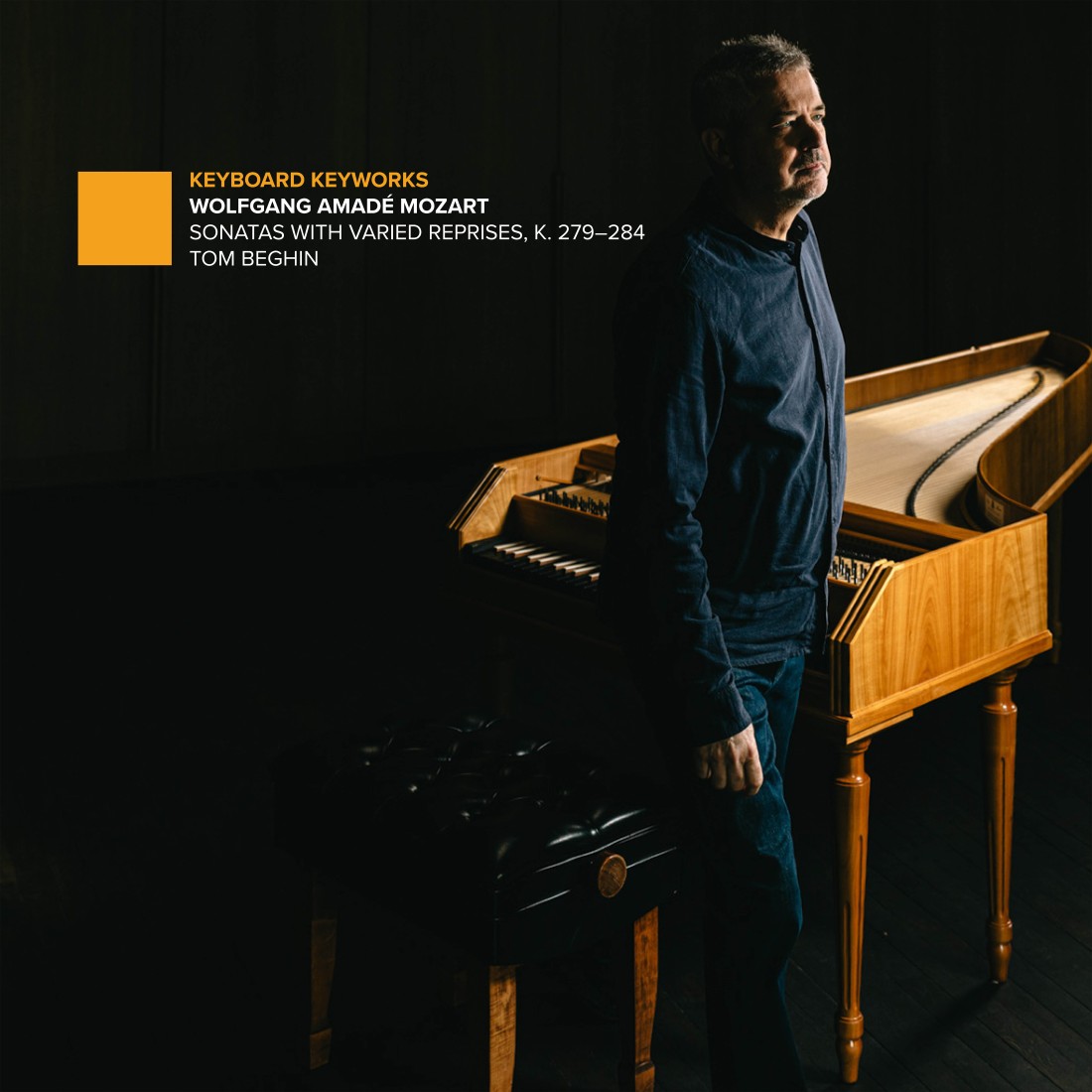
Tom Beghin presents: Wolfgang Amadé Mozart: Sonatas with varied Reprises
News October 3, 2025Out now on Evil Penguin Classic
Using Bach’s Wq. 50 as a guide, this recording expands on a well-documented mid-eighteenth-century practice: moving from embellishing repeats to the full rewriting of Mozart’s reprises. Here, ‘reprise’ refers to either of the two sections of a sonata-form movement marked for repetition. The expectation of such repeats is essential to how performers and listeners alike can experience a ‘varied reprise’ within a rhetorical, pre-organicist framework. The CD is released October 3.
Why varied reprises?
Using Bach’s Wq. 50 as a guide, this recording extends a widely documented mid-eighteenth-century practice of embellishing repeats to the actual rewriting of Mozart’s reprises. Reprise here applies to either of the two sections of a sonata-form movement that are to be repeated. The expectation of such a repeat is crucial for our performing and listening to a “varied [repeat of a] reprise” in a rhetorical or pre-organicist paradigm.
That Bach’s printed opus was meant to demonstrate how “one tends to vary the allegros with 2 reprises the second time around” (Bach, 1753) raises the stakes for our engagement with Mozart, who left us with fine examples of embellishing slow movements but whose fast movements in particular leave us guessing as to how he would have handled such an exercise. The idea here is to build on previous studies of Mozart as improviser, but also to commit to a fully written-out, entirely publishable text. While Bach claimed to have invented a new genre “for the use and benefit” of the amateur, our challenge is to apply similar principles to what in Mozart’s household were known as “the difficult sonatas,” removing all repeat signs and replacing these with varied reprises.
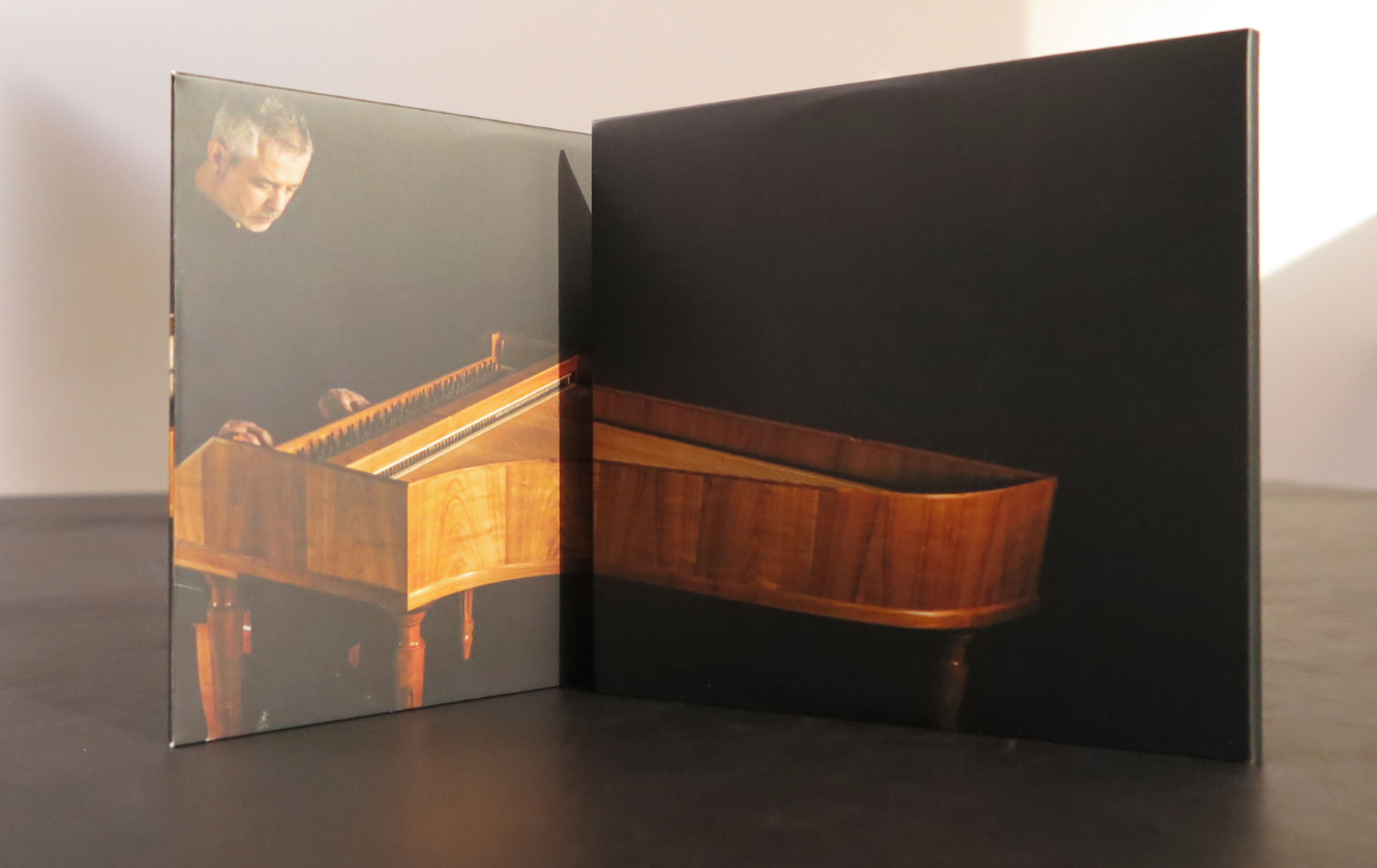
Tom Beghin plays a replica of Andreas Stein built by Chris Maene in 2016 from the Orpheus Instituut collection. Mozart famously first tried out Stein’s instruments in October 1777, while performing his Sonatas K. 279–84 at various occasions, both formal and informal. “The last [sonata] ex D [K. 284] works incomparably [well] on Stein’s pianofortes,” Mozart reported to his father. The recording took place at the beautiful Chapel of Sint-Lodewijkscollege in Bruges (Belgium).
How did it all start?
What is the motivation and how to interpret classical pieces nowadays? Listen to Tom Beghin in dialogue with Arabella Pare in the interview below.
Listen to the recording
Tracklist
Wolfgang Amadé Mozart (1756-1791)
Sonatas with Varied Reprises, K. 279–284
Sonata in F Major, Wq 50/1
Sonata in G Major, Wq 50/2
Sonata in A Minor, Wq 50/3
Sonata in D Minor, Wq 50/4
Sonata in B-flat Major, Wq 50/5
Sonata in C Minor, Wq 50/6
Learn more about the project
The research cluster Declassifying the Classics has several ongoing projects, among which: Mit veränderten Reprisen: The practice of Varying Repeats.
What happens when we submit ourselves to an expectation of continuous variation? How far can we go, adding our variants to existing scores of (pre-)classical keyboard sonatas? As we plan our varied repeats, at what point do we feel like starting over and creating a new edition altogether? Where’s the line between practice and print—or between composing and performing?


