
Datum en locatie
van 16 april 2026 tot 17 april 2026
Orpheus Instituut, Korte Meer 12, 9000 Ghent
ODC 2026 Sonic Worldings: Crafting realities through artistic research
Eventvan 16 april 2026 tot 17 april 2026Orpheus Doctoral Conference
The Orpheus Doctoral Conference (ODC) is a yearly event organised by docARTES PhD researchers, bringing together artist-researchers from across the world for dialogue, performance, and exchange.
InschrijvenThis year’s theme, the emerging generative concept of ‘worlding’, offers a methodological and theoretical orientation through which artistic practices may bring forth and configure different experiential, epistemic, and material realities. Rather than representing a pre-given world, musical practices can be understood as ontologically productive: they engage in worlding by generating sonic, historical, and conceptual realities that intervene in and reconfigure the social, material, and symbolic conditions of the present.
We do not obtain knowledge by standing outside of the world; we know because we are of the world. We are part of the world in its differential becoming.Karen Barad
Our task is to make trouble, to stir up potent response to devastating events, as well as to settle troubled waters and rebuild quiet places.Donna Haraway
Worlding is emerging as a dynamic and generative concept within artistic research, offering a theoretical and methodological orientation through which to explore how artistic practices may constitute new ontologies and material configurations of reality. Rather than serving as vehicles of representation, such practices are increasingly understood as ontologically operative—as processes that bring forth and configure different experiential, epistemic, and sociomaterial realities.
The concept of worlding finds its philosophical foundation in Martin Heidegger’s analysis of worldhood, where the world is not a static collection of entities but an open field of significance disclosed through relational practices. Extended through post-Heideggerian and Deleuzian thought—particularly through notions of becoming, affective intensity, and assemblage—as well as material-semiotic practices of Donna Haraway and agential realism of Karen Barad, worlding emphasises the generative force of artistic engagement in shaping modes of existence.
In a research environment characterised by ontological pluralism, where each artistic project, methodology, or research discourse may be understood as unfolding according to its own internal logic, Sonic Worldings encourages a shift in focus from self-contained micro-worlds toward more co-articulated processes of worlding. By emphasising entanglement across practices and thinking, it invites a reconsideration of methodological frameworks, criteria of validity, and evaluative standards, highlighting how artistic research can generate new ways of knowing and transform social, cultural, and epistemic contexts.
This conference focuses on worlding within artistic research in music, asking:
- In what ways do musical practices engage in worlding, bringing into being sonic, historical, and conceptual worlds that are relational, overlapping, and contested?
- What forms of knowledge emerge through such processes?
- What constitutes impact or value when a project worlds its own epistemic frame, entangled with but not contained by disciplinary norms?
- Can worlding itself become a critical framework, reshaping how we evaluate, collaborate, and critique within the artistic research community?
Schedule
To be announced in February 2026.
Keynote speakers
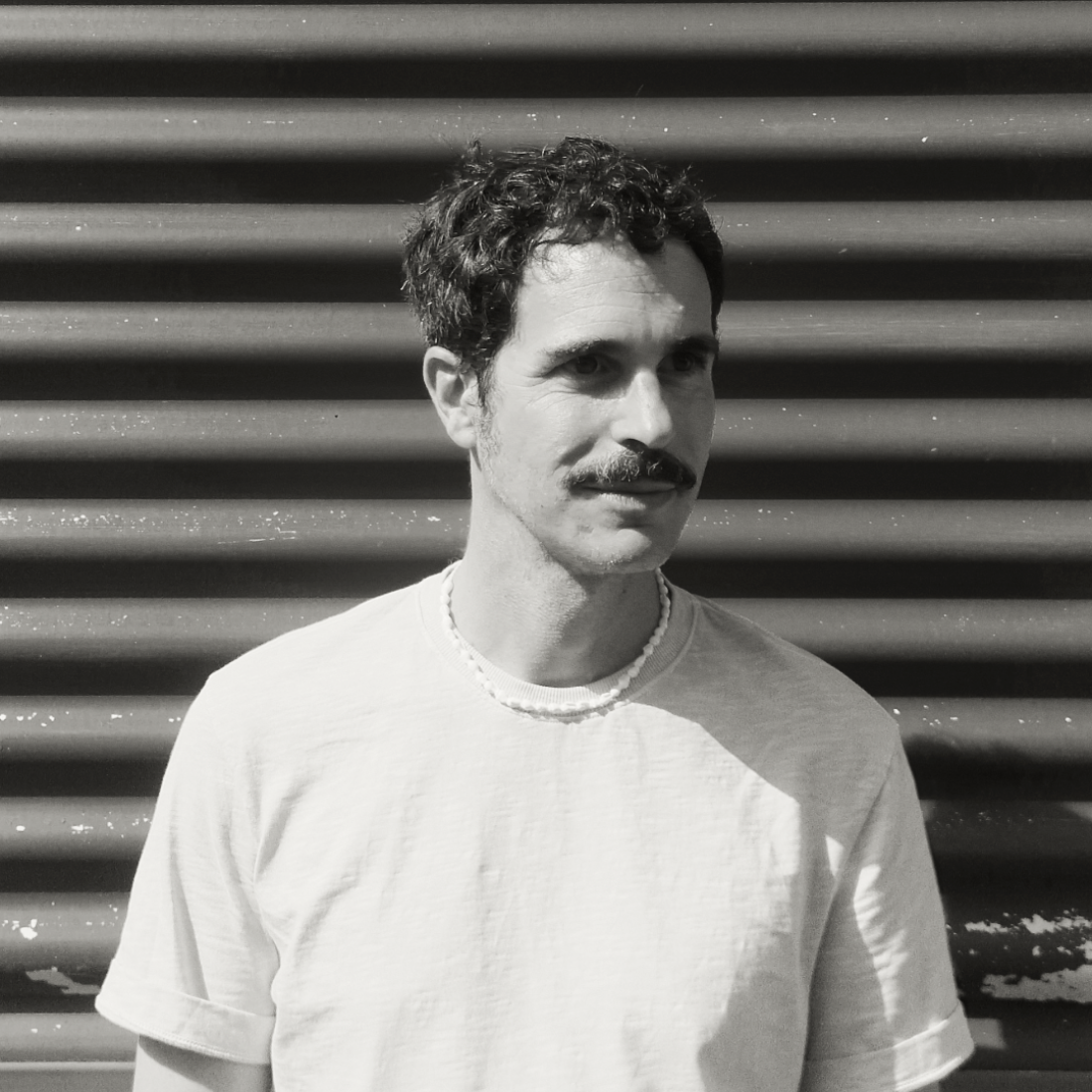
Yuri Tuma
Yuri’s practice focuses on the investigation of contemporary narratives related to sonic and queer ecologies through collective healing practices, active listening, sound art, installation, and performance. In early 2020, he co-founded the Institute for Postnatural Studies (IPS) in Madrid, a platform for critical thought and a collaborative network of artists, researchers, curators, and thinkers engaged with the complexities of the ecological crisis. In addition to participating in residencies and coordinating workshops around interspecies kinships and sound ecologies, Yuri has worked with educational and mediation programs at Spanish and international institutions such as Museo Nacional Centro de Arte Reina Sofía, Matadero Madrid, HEAD Géneve, Berlinale, Fundación Mar Adentro, School of Commons, among others. Within IPS, he also actively shapes the editorial route of Cthulhu Books, an editorial platform to showcase the political potential of imagining new worlds and possible stories for the planet through academic and artistic research.
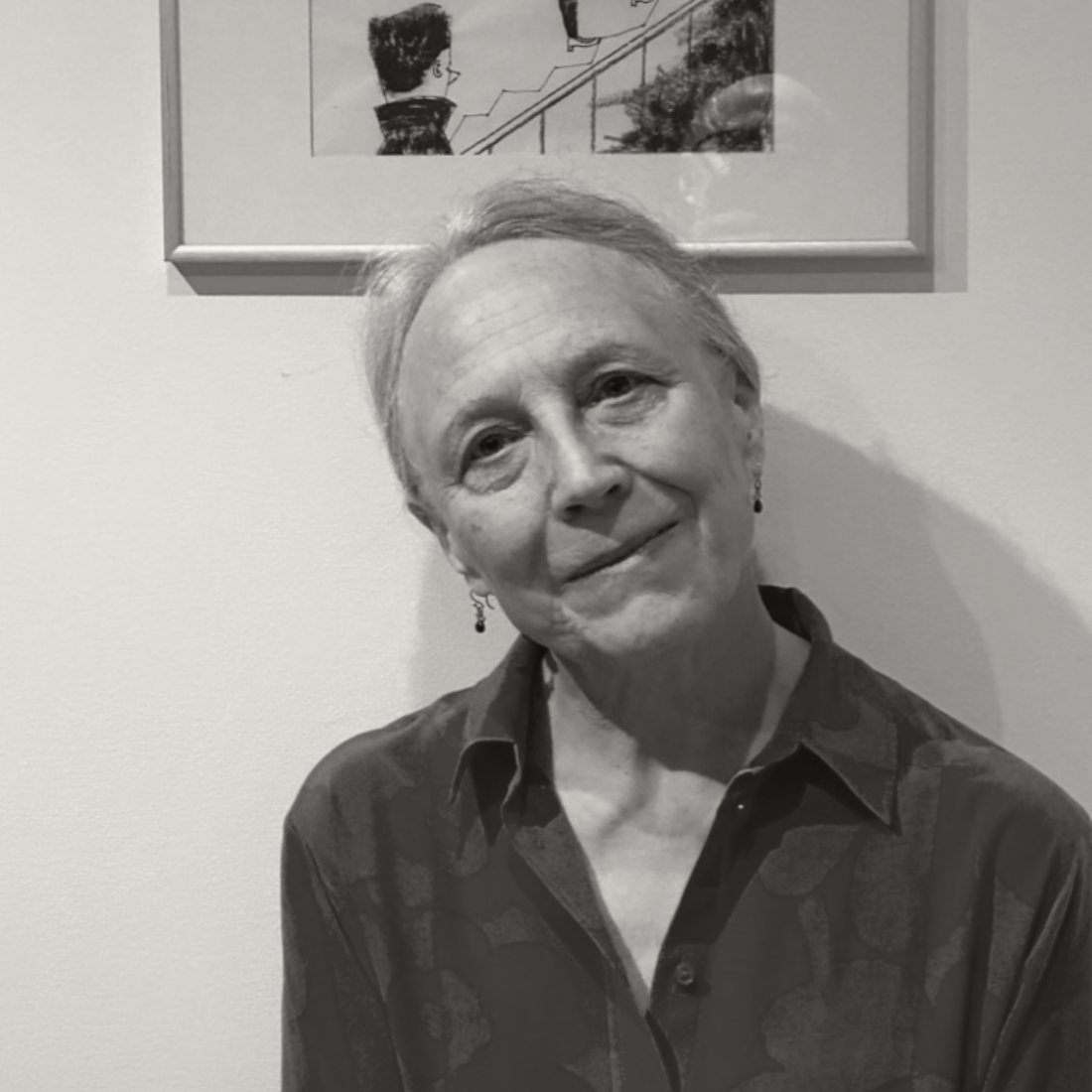
Georgina Born
Georgina Born is Professor of Anthropology and Music at University College London. From 2010-21 she was Professor of Music and Anthropology in the Faculty of Music, Oxford, and from 2006-10 Professor of Sociology, Anthropology and Music at Cambridge. Earlier she had a professional life as a musician in experimental rock, jazz and improvised music. Her books are Rationalizing Culture (1995), Western Music and Its Others (2000), Uncertain Vision (2004), Music, Sound and Space (2013), Interdisciplinarity (2013), Improvisation and Social Aesthetics (2017), and Music and Digital Media: A Planetary Anthropology (2022). She has held the Bloch Professorship in Music, UC Berkeley; the Schulich Distinguished Professorship in Music, McGill; a Visiting Professorship in the Schools of Arts, Humanities and Social Sciences, UC Irvine; Professor II in Musicology, University of Oslo; a Senior Research Fellowship, Aarhus Institute of Advanced Studies; and she has been a Global Scholar in Music, Princeton University. Awards include the RMA’s Dent Medal (2007), a Fellowship of the British Academy (2014), an OBE ‘for services to anthropology, musicology and higher education’ (2016), and the IMS’s Guido Adler Prize (2024). From 2021-26 she is directing an ERC-funded program called ‘Music and Artificial Intelligence: Building Critical Interdisciplinary Studies’, which, through music, researches the impacts of AI on culture.
Practical
Location
Orpheus Instituut, Korte Meer 12, 9000 Ghent BE
Timetable
Thursday 16 April will consist of a morning session, lunch, afternoon session, and dinner;
Friday 17 April will consist of a morning session.
Registration fee
€ 60 normal rate for DAY 1 & 2 (lunch included on Thursday)
€ 30 student rate for DAY 1 & 2 (lunch included on Thursday
€ 40 additional fee for Thursday in-house dinner
Participation is free of charge for researchers and students affiliated with Orpheus Instituut and docARTES.
By registering for an event at Orpheus Instituut you agree to our terms and conditions. Orpheus Instituut embraces diversity and strives to be an inclusive environment for everyone.
Questions can be addressed to odc2026@docartes.be
Convenors
- Andrea Agostini
- Tomer Damsky
- Miriana Faieta
- Emil Gryesten
- Ilpo Jauhiainen
- Blake Proehl
- Alicia Reyes
- Chonglian Yu


